
As with most of life, bad cybersecurity habits don’t start with intentional bad decisions. An employee needs access to a file, so a coworker shares a password. The computer wants to restart for an update, but there's a meeting in ten minutes, so "remind me later" wins again. Someone leaves the company on Friday, and deactivating all of their accounts gets added to Monday's list. Then Monday gets busy.
Most bad cybersecurity habits begin this way. They're small shortcuts taken by people who are trying to get their work done. Nothing happens the first time, or the tenth, so eventually the shortcut becomes part of the routine.
For a growing business, that's where the risk begins. Good cybersecurity isn't just about having antivirus software and a firewall. It also depends on the everyday decisions people make while using those systems.
Adept Networks Managed IT Services help businesses maintain peak performance by taking a more practical approach to cybersecurity, with technology and processes designed around the way their teams actually work.
Convenience Has a Way of Trumping Security
Think about the average morning in a small or midsized business. Someone in accounting is answering email while chasing an overdue invoice. A manager is jumping between meetings. Another employee needs information immediately because a customer is waiting. In that environment, the fastest solution often feels like the best one.
That's how passwords get reused, software upgrades get postponed, and access gets handed out more freely than anyone originally intended. Months or years later, a business can end up with old accounts still active, employees with access they no longer need, and security processes nobody has reviewed in quite some time. None of those decisions felt particularly risky when they were made, but together, they can create a very different picture.
Passwords Shouldn't Depend on Memory
Most of us have accumulated an absurd number of passwords: Email. Accounting software. Banking. Customer management systems. Cloud storage. Vendor portals. The list keeps growing.
Tell employees every password must be long, complicated, and unique, and there's an obvious problem: they're expected to remember all of them. So people find ways to cope. They reuse favorites or make small variations of the same password.
A password manager offers a more realistic solution. Employees can use strong, unique passwords without having to remember dozens of them. Add multi-factor authentication, and a stolen password alone becomes much less useful to someone trying to get into an account. The better approach isn't demanding perfect behavior. It's making the secure choice easier.
"We'll Update It Later" Can Become a Habit
Software security updates have terrible timing. They appear when you're working on something important, getting ready for a presentation, or trying to finish something before heading home. Postponing one occasionally isn't disastrous, but repeatedly postponing updates across an organization can be.
Updates frequently include security fixes, new features, and performance improvements. A clear process for keeping devices and software current takes that decision out of an employee's already crowded workday.
The same principle applies to many cybersecurity mistakes: whenever possible, build the safer behavior into the system rather than relying on someone to remember it.
Access Tends to Accumulate
This one can happen almost invisibly. An employee changes roles but retains access to systems from their previous position. Someone is added to a shared folder for one project and stays there indefinitely. A former employee's account remains active because everyone assumed somebody else had taken care of it. As a company grows, those permissions pile up.
A better habit is to give people access based on what they actually need for their jobs and review those permissions regularly. Joining the company, changing roles, and leaving the company should each trigger a simple access review. That way, "Who can see this?" has a clear answer.
Free Guide: Build a Security-First Culture in Your Business
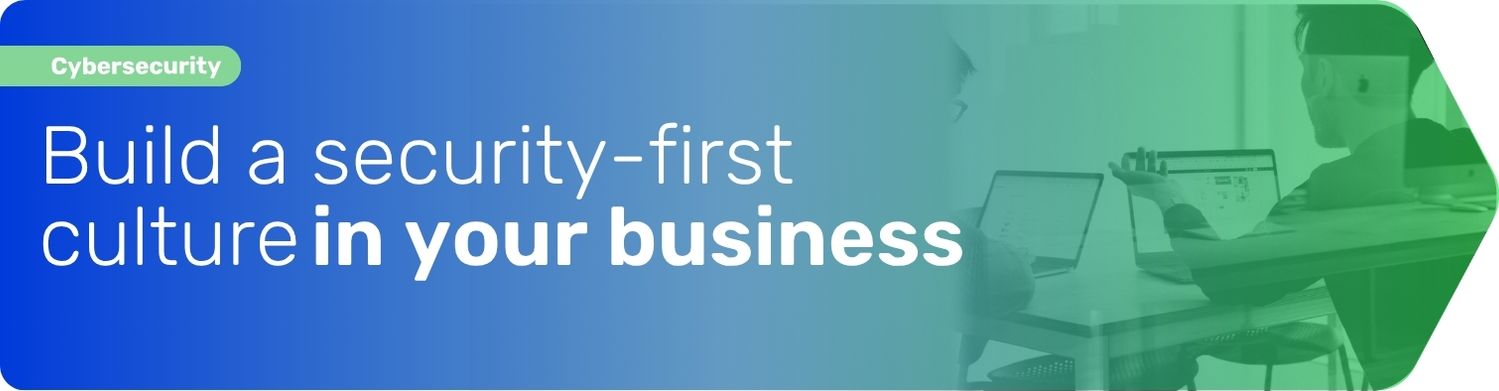
Technology is only part of good cybersecurity. Adept Networks' guide, Build a Security-First Culture in Your Business, examines how everyday habits, leadership, employee awareness, and practical security measures can work together.
Don't Make Employees Afraid to Report Mistakes
Imagine an employee clicks a suspicious link. A few seconds later, something doesn't feel right. What happens next says a lot about the company's security culture.
If that employee expects embarrassment or blame, there's a temptation to close the window and hope nothing happened. If employees know the technology team would rather hear about a questionable click immediately, they're much more likely to speak up. Those minutes can matter.
Cybersecurity awareness doesn't have to mean an annual two-hour presentation that everyone forgets by the following week. Short conversations can be far more useful.
"Does this email look right to you?"
"Were you expecting this attachment?"
"Can you check this payment request before I send it?"
When questions like these are normal, employees become part of the company's protection rather than part of the problem policies are designed to work around.

Leadership Sets the Example
Employees notice what managers do. If a company has a rule against sharing passwords but a manager routinely asks someone to "just send me yours this once," the unwritten rule becomes more powerful than the written one.
The good news is that business leaders don't need to become cybersecurity experts. They do need to follow the same processes they expect of employees. They can encourage people to ask questions, make time for updates, and ensure employee access is handled properly when someone joins or leaves. Consistency does more to create good habits than another policy document sitting unread in a shared folder.
Give the Good Habits Some Backup
Better habits don't replace technology. Devices still need protection. Email should be protected from cybercriminals. Software needs to stay current. Data backups should run regularly, and someone should occasionally restore backups.
Access also needs ongoing attention, particularly as a company adds employees, cloud services, vendors, and remote devices. The goal is for the technology and the people to support each other.
Start With the Shortcuts You Already Know About
Most businesses don't need to transform their entire cybersecurity program tomorrow. Start by looking for the workarounds everyone already knows exist.
Are passwords being reused?
Does everyone have more system access than they really need?
Do updates routinely get postponed?
Is there a clear process when an employee leaves?
What should someone do if they click a suspicious link this afternoon?
Those answers will tell you a lot.
Bad cybersecurity habits rarely develop overnight, which also means they don't have to be fixed overnight. A few sensible changes, applied consistently, can gradually change how a business handles security.
Adept Networks IT Services in Medford, Oregon, and Spokane, Washington, can help identify the places where small shortcuts have created unnecessary risk and put practical protections in place without making everyday work harder for your team. Because the strongest security culture isn't one where everyone worries about making a mistake, but rather one where good security has become part of how the work gets done.