
Business Owners
If you own or manage a business, chances are you've experienced this moment. An employee forwards an email and asks, "Does this look legitimate?" A software update pops up on every computer in the office. You hear another story about a company hit by ransomware, and for a few minutes, you wonder whether your own business is prepared. Then the workday takes over.
For many organizations, cybersecurity takes a back seat because other important tasks seem more urgent: payroll, customer service, staffing, and twenty other priorities on a business owner's desk. The problem is that today's threats won't wait until your schedule opens up. That's one reason basic IT security is no longer enough.
Businesses today need security that adapts to how people actually work, whether employees are in the office, working remotely, accessing cloud applications, or using mobile devices throughout the day. At Adept Networks, based in Medford, Oregon, our managed IT services help businesses build practical, layered protection that fits their operations instead of slowing them down.
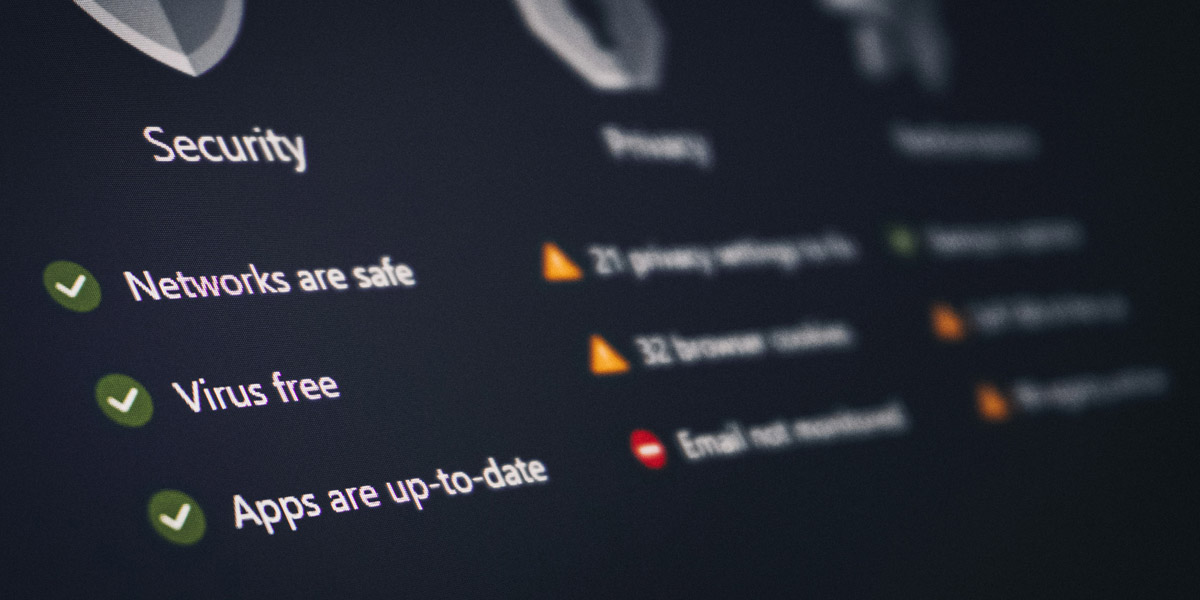
Basic IT Security Worked...Until It Didn't
Not that long ago, having antivirus software, a firewall, and strong passwords covered most of the bases. Those tools are still important today. In fact, every business should have them. But cybercriminals have changed their tactics.
Instead of trying to break through your defenses, they're increasingly finding ways to walk through the front door using stolen credentials, convincing phishing scams, or compromised user accounts. Once they have legitimate login information, they often appear to be ordinary users, making attacks much harder to detect. That's why basic IT security is no longer enough for businesses that depend on digital systems every day.
The Biggest Cybersecurity Risk Often Looks Completely Normal
One reason modern cyberattacks are so successful is that they rarely begin with flashing warning signs. Imagine someone in your accounting department receives what appears to be an email from a trusted vendor requesting an updated invoice. The branding looks correct. The sender's name is familiar. There's even a link that appears legitimate. Without thinking twice, the employee logs in, and nothing unusual happens immediately.
Hours, or even days, later, an attacker begins accessing email conversations, resetting passwords, or quietly gathering sensitive information. From the outside, everything appears routine because the system recognizes a valid username and password. These types of attacks have become increasingly common because they rely on people rather than technology alone.

Cybersecurity Has to Follow the Way Your Business Operates
Today's businesses don't operate out of a single office anymore. Employees access files from home, collaborate through cloud platforms, answer emails on their phones, and connect from multiple locations throughout the day. Every device and every login creates another point that needs protection.
That doesn't mean locking everything down until no one can work efficiently. It means understanding who needs access to what, reviewing permissions regularly, and ensuring accounts are deactivated after employees change roles or leave the company. Security should support productivity, not compete with it.
Layered IT Protection Makes the Difference
No security tool can stop every threat. Modern cybersecurity works best when several layers work together. Multi-factor authentication adds another verification step before someone gains access. Device management helps ensure laptops and mobile devices remain secure even if they're lost or stolen. Encryption protects sensitive information if systems are compromised. Reliable data backup strategies enable businesses to recover quickly after an incident rather than starting from scratch.
Monitoring also plays a critical role. Rather than waiting until something breaks, continuous monitoring can identify unusual activity, such as logins from unexpected locations or attempts to access files outside someone's normal responsibilities, before a small problem becomes a major disruption.

People Are Still Part of Your Security Strategy
Technology can do a great deal, but it can't replace awareness. Most successful attacks still involve someone clicking a malicious link, responding to a convincing email, or unknowingly sharing information with the wrong person. That doesn't mean employees are careless. They're busy.
Cybercriminals know that urgency, familiarity, and routine are powerful tools. That's why regular security awareness training has become just as important as installing the latest software updates. When employees feel comfortable asking, "Does this look right?" before taking action, businesses become significantly more resilient.
Recovery Planning Matters Just as Much as Prevention
No security strategy promises perfection. Even organizations with excellent protection occasionally face security incidents. The difference is how quickly they respond.
Businesses with a recovery plan know who should be contacted first, what systems need immediate attention, how backups will be restored, and what communication needs to happen internally and externally.
Without that preparation, valuable hours are often lost trying to decide what to do next. Having a documented plan reduces confusion, shortens downtime, and helps businesses recover with far less disruption.
Download Our Free Cybersecurity Guide
If you'd like a deeper look at today's cybersecurity challenges, including phishing, ransomware, access management, data protection, and practical steps businesses can take, download our free guide. It expands on many of the concepts discussed in this article and provides a helpful framework for evaluating your own security posture.
Taking the Next Step Toward a More Secure Future
Improving cybersecurity doesn't require replacing every system overnight. Most businesses benefit from starting with a clear assessment of what they already have in place: Who has access to critical systems? Are backups tested regularly? Is multi-factor authentication enabled? Are devices being monitored and updated consistently? Once those questions are answered, it's much easier to prioritize meaningful improvements.
The reality is simple: basic IT security is no longer enough because the way businesses operate and the way cybercriminals attack have changed dramatically over the past several years. A layered, proactive approach helps reduce risk, protects valuable data, and gives business owners confidence that they're prepared for whatever comes next.
If you'd like to evaluate your current cybersecurity strategy, the IT service and support team at Adept Networks in Medford or Spokane can help you identify gaps, strengthen your defenses, and build a security plan that grows with your business.